
Safe Browsing Habits for Free OnlyFans Accounts
OnlyFans hosts both free and paid pages, and browsing the free ones still involves real privacy decisions. This guide lays out the safe browsing habits that keep a visit to a free page low-risk, from discovery through signup and daily access. Free pages remove the subscription cost, but they do not remove the account, the card check, or the data trail that follows both. BestOnlyFans refreshes its rankings every month.
In practice, a free page still requires an account, still asks for a payment method during verification, and still logs your activity inside the platform. BestOnlyFans refreshes its rankings every month.
A paid subscription runs from $4.99 at the minimum to $49.99 at the maximum, with most pages clustering between $5 and $10. A free page sets that price to $0 and earns through pay-per-view messages and tips instead.
Why Free Accounts Still Require Caution
A free page sets its subscription price to $0, but the signup path is the same as a paid one. You create an account, confirm an email address, and add a card for age and identity verification.
The card step surprises people most. That means your payment method is linked to the account from day one, and the platform can associate your browsing with a real billing identity.
There is also the content layer. PPV unlocks can run up to $50, paid chat commonly sits at $3-$5 per message, and tips can reach $100. None of that is hidden, but it does mean a free page can still involve spending if you choose to engage.
Tip: decide your spending limit before you open a free page. A $0 subscription removes the monthly fee, not the PPV and tip prompts that arrive in your inbox afterward.
One more detail is easy to miss. When a creator raises the price on a paid page, auto-renew stops and existing access lasts only until the paid period ends. On a free page that mechanism never triggers, so nothing reminds you the account is still open and still logged in.
Discovery Outside the Platform
You cannot scroll a public list of pages the way you would on a social app. That gap is exactly why external ranking and directory sites exist, and it is why the site you choose determines how much junk you filter out.
- External ranking and directory sites that list pages by category
- Community forums where subscribers compare notes on active pages
- Social media mentions from creators who cross-post their links
- Word-of-mouth referrals from people you already trust
Each channel carries a different risk profile. A forum thread is public but unvetted. A referral is private but limited. Directory sites sit in between: public, indexed, and usually maintained, which makes them easier to verify.
Clicking through to a lookalike domain is one of the oldest tricks in the book, and phishing pages are built to capture exactly the login you are about to type. Recognizing those fake login screens protects the account long before a card is ever added.
A useful habit is to check the domain twice: once in the link text and once in the address bar after the page loads. The two do not always match, and a mismatch is reason enough to close the tab.
Account Setup With Privacy in Mind
A username you reuse everywhere, an email tied to your real name, and a primary credit card together create a profile that is easy to connect back to you.
Start with the username. Pick something that does not repeat handles you use on public social accounts and does not contain your name, birth year, or location.
- Choose a non-identifying username that you have not used elsewhere
- Use a dedicated email address created only for this purpose
- Select a payment method you are comfortable linking to the account
- Complete the verification step, including the small card hold, to activate access
A separate address means marketing, receipts, and any breach notifications land in one inbox instead of your main one.
| Element | Privacy Consideration | Recommendation |
|---|---|---|
| Username | Reused handles can be matched across sites | Use a unique handle with no personal details |
| Email address | Your main inbox links to your real identity | Create a dedicated address for this account |
| Payment method | Card details tie the account to a billing name | Use a card or virtual number you are comfortable with |
Payment method is the last piece. The card you add is the one the platform associates with your account for verification and any future purchases. If you would rather not link a primary card, a virtual or secondary card works just as well for the verification step.

The $0.10 Verification Hold and Privacy
New accounts go through a card check, and it shows up as a small hold of about $0.10. People often mistake it for a charge. It is not. The amount is refunded within days, and it does not start a subscription or an ongoing billing arrangement.
The purpose is age and identity confirmation. By placing a tiny hold, the platform verifies the card is real and belongs to someone who can legally access the content.
| Event | Data Exposed | Duration |
|---|---|---|
| Card verification hold | A small pending amount on your statement | Refunded within a few days |
| Free page subscription | Account association, no monthly charge | Until you unfollow the page |
| PPV unlock (if used) | The purchase amount only | One-time transaction |
What the hold does not do is expose your ongoing billing details to the creator. A pending charge that stays pending for weeks is unusual and worth a call, especially if you signed up through a link you did not fully trust.
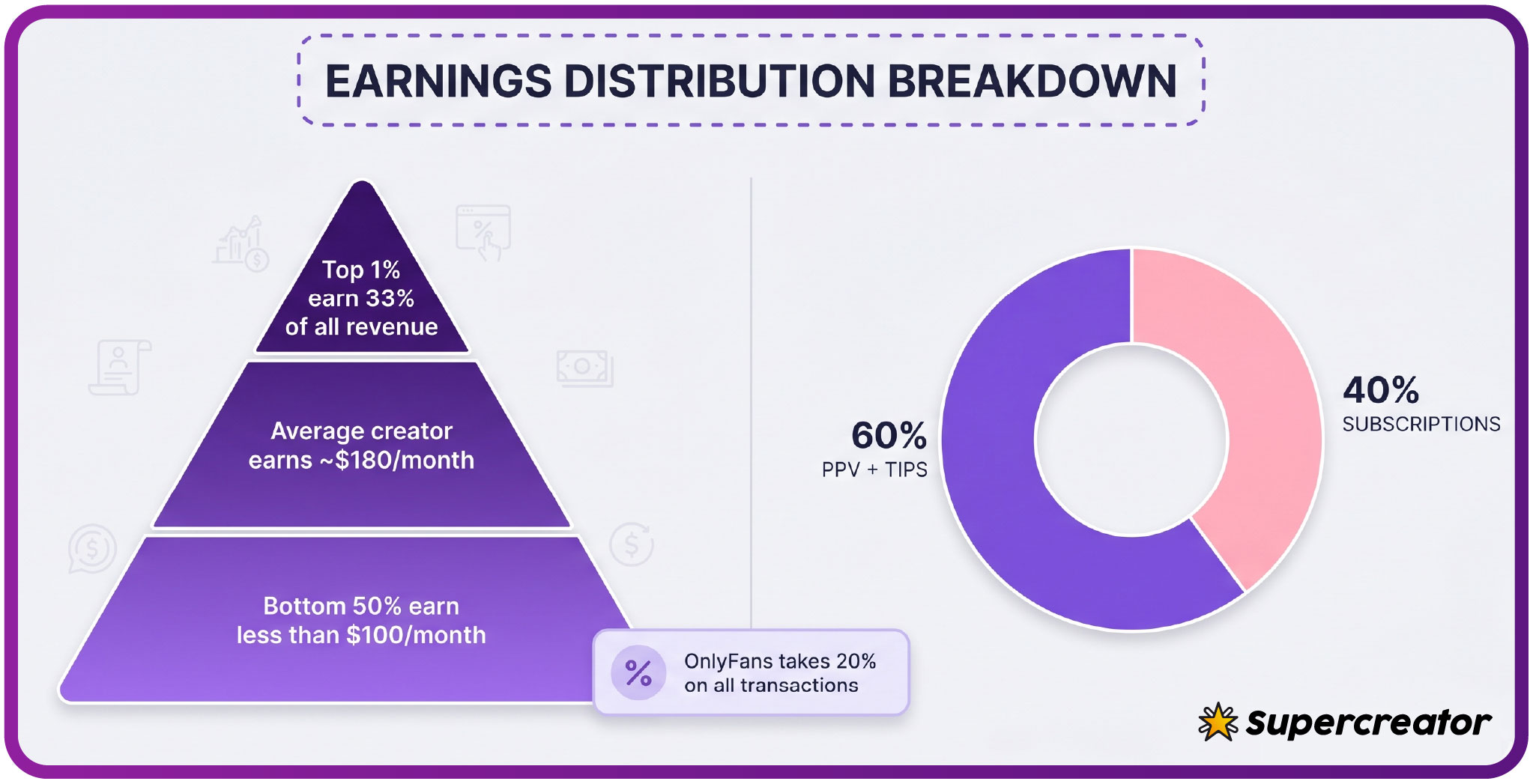
The platform takes a 20% cut of everything a creator earns, keeping 80% for the creator. That split explains why so many free pages push PPV and tips, since the subscription is not the revenue line.
For anyone doing a free onlyfans browse, the verification row is the one to watch. A legitimate page confirms a real card and moves on; a fraudulent one keeps asking for more information after the hold clears.
Managing Access Across Devices
Each new device is another place your session can persist without you noticing.
Two-factor authentication is the first step. It means a password alone is not enough to reach your account, which matters if the email you used is ever compromised.
- Enable two-factor authentication in account settings
- Store the password in a password manager instead of reusing it
- Log out after each session rather than staying signed in
- Review active sessions periodically and remove any you do not recognize
Most platforms list where your account is currently logged in, and that list is the fastest way to spot access you did not authorize.
Shared devices deserve their own rule. If you log in on a device someone else uses, log out when you finish. A browser left signed in is the simplest possible exposure, and it takes five seconds to close.
Notifications can surface account activity quickly, but they also display on lock screens where anyone nearby can read them. Turning off previews for this app is a small change with a real privacy payoff.
Recognizing Legitimate Pages
The signals that separate a genuine free page from a fake one are mostly about consistency and pressure.
- A posting history that is consistent over months, not days
- A verifiable social presence that links back to the same page
- A clear page description that matches what the creator posts
- No pressure messaging, no demands for off-platform payment
Pressure is the clearest warning. A legitimate page does not need you to act in the next ten minutes, and it does not ask you to move payment to a private channel.
If a creator’s other accounts point to the same page, the page is far more likely to be genuine. The BestOnlyFans ranking process weighs posting consistency, so pages that go quiet for months tend to drop out of the lists entirely.
Watch for copied descriptions too. Identical wording across several unrelated pages usually means one operator cloned a template and is running it on multiple accounts.
Ongoing Privacy Maintenance
Privacy is not a one-time setup. It is a set of habits you repeat as your list of followed accounts grows and your payment method stays linked.
- Review the accounts you follow periodically and unfollow inactive ones
- Check payment statements for anything you did not authorize
- Avoid sharing account details with anyone, including people who ask
- Log out on shared or borrowed devices after every session
On a free page, a charge usually means a PPV unlock or a tip you may not have intended. A statement line that looks unfamiliar is worth checking against your own history rather than assuming the worst. Most odd entries turn out to be a renewal or a one-off unlock you forgot, but the ones that do not are exactly what reverse the charge procedures exist for.
Unfollowing matters too. Every page you follow keeps a relationship open, and inactive ones serve no purpose. If it is receiving more than receipts and platform notices, that is a sign the address has been shared further than you intended.
FAQ
Does browsing free OnlyFans accounts expose my identity?
Not directly. A free page does not display your name to the creator, and creators see a subscriber record rather than your personal details. Your identity becomes linked to the account through the email and payment method you provide at signup, which is why a dedicated email and a considered card choice matter.
What is the $0.10 hold and does it affect my privacy?
It confirms the card is valid and the account holder is old enough to access the platform. It does not create a subscription, and it does not expose ongoing billing details to the creator.
How do I find free OnlyFans accounts without a discovery feed?
Because the platform has no built-in directory, discovery happens through external ranking sites, community forums, social media mentions, and referrals. Verify the destination before signing up, since lookalike domains built to capture logins are common.
Should I use a separate email for free OnlyFans accounts?
Yes. A dedicated address keeps receipts, notifications, and any breach alerts away from your primary inbox. It also prevents the account from being linked to your main identity if that address is ever exposed.